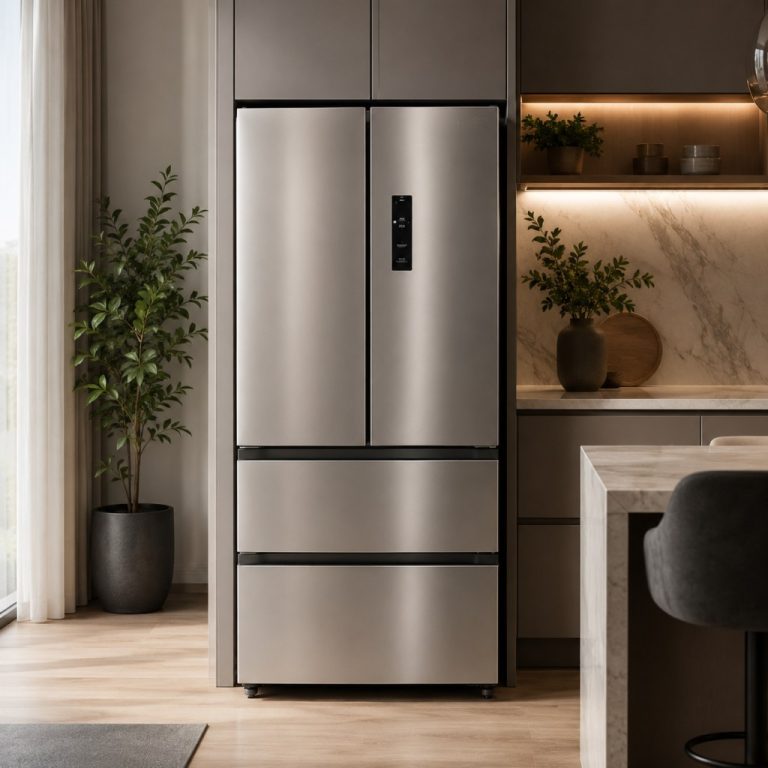
refrigerator not cooling that runs but does not cool is one of the most stressful appliance problems, because the clock is ticking on the food inside. Before you call a technician, work through these checks in order. Most of them take a few minutes, cost nothing, and fix the problem outright. Start with the food: if perishable food has been above fridge temperature for more than a couple of hours, throw it out — no fix is worth food poisoning.
Safety first: unplug the refrigerator before you clean coils, touch the fan, or move the machine. Never poke at refrigerant pipes or the compressor, and never use a sharp tool to chip ice off a freezer — a punctured pipe is a technician-only repair.
1. The temperature setting was knocked
refrigerator not cooling is the simplest cause and the most common. A dial or button inside the fridge can get bumped when loading groceries, and a child can change a digital setting without anyone noticing. The fridge section should be set around 3–4°C (37–40°F) and the freezer around −18°C (0°F). If the setting is far warmer than that, set it correctly and wait at least 4–6 hours before judging the result — a fridge cools slowly.
2. Dirty condenser coils
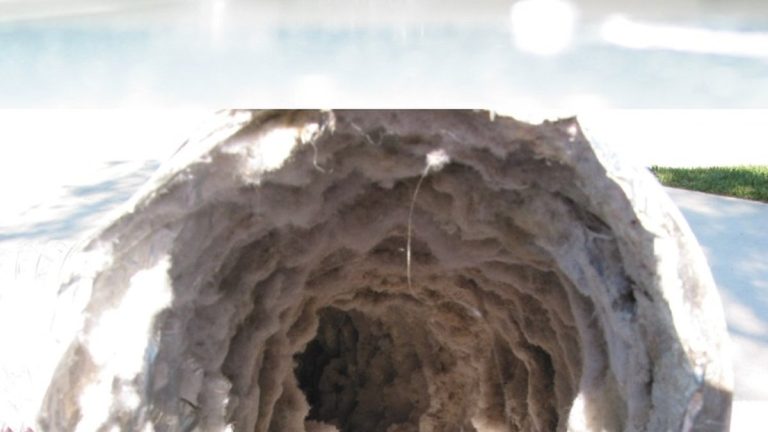
The refrigerator not cooling coils release heat from the fridge, and when they are covered in dust and pet hair, the fridge cannot shed heat properly and cooling suffers. The coils are usually underneath the fridge or on the back. Unplug the machine, pull it out carefully, and vacuum or brush the coils gently. Do this every six to twelve months, and more often if you have pets. If the coils were badly clogged, you should notice improvement within a few hours.
3. Blocked air vents inside
Cold air travels from the freezer to the fridge section through vents, usually at the back of the fridge. If food, boxes, or bags are pressed against those vents, cold air cannot circulate and the fridge section stays warm even while the freezer works fine. Move items away from the back wall, leave a little space around the vents, and make sure nothing is blocking the fan cover in the freezer.
4. A worn or dirty door seal
Close the door on a piece of paper and try to pull it out. If it slides out easily, or you can see gaps, cracks, or mould on the rubber seal, warm air is leaking in constantly and the fridge can never catch up. Wipe the seal with warm soapy water, dry it, and check again. A seal that is torn, stiff, or badly warped usually needs replacing — this is a cheap part and a straightforward job, but measure your model first so you order the right one.
5. The fridge is overloaded — or almost empty
refrigerator not cooling extremes cause trouble. A fridge packed solid blocks air circulation, so cold air cannot reach everything. A nearly empty fridge also struggles, because there is little cold mass to hold the temperature steady when the door opens. Aim for a comfortably full fridge with space between items, especially around the vents and the fan.
6. The evaporator fan is not running
Open the freezer and listen. You should hear a fan running when the compressor is on. If the freezer is cold but the fridge is warm, and you hear no fan, the evaporator fan motor may have failed or be jammed by ice. Unplug the fridge, check for visible ice blocking the fan, and let it defrost fully if iced up. If the fan still does not run after a full defrost, it is time to call a technician — fan motors are not a beginner repair.
7. The thermostat or temperature sensor is faulty
If the fridge runs constantly but never gets cold, or it barely runs at all, the thermostat or sensor may be reading the temperature wrong. Try turning the control to its coldest setting: if the compressor kicks in and cooling improves, the control may be drifting. Thermostat replacement is possible for a confident DIYer on some models, but if you are unsure, get a technician — a wrong diagnosis here wastes money fast.
8. Low refrigerant or a failing compressor
refrigerator not cooling is the serious one, and it is not a DIY fix. Signs include the compressor running non-stop without cooling, a hissing sound, oily residue near pipes, or a compressor that is very hot or completely silent. Refrigerant work needs licensed equipment and, on older fridges, the repair can cost more than a replacement. If you have ruled out the first seven causes, get a quote before authorising work, and compare it against the cost of a new fridge.
What to check first, in 10 minutes
If you only have ten minutes, do these four things in this order: check the temperature setting, move food away from the vents, test the door seal with paper, and listen for the fan. Those four checks catch the majority of “not cooling” problems. If none of them helps, clean the coils next, then give the fridge a full day at the correct setting before deciding it needs a repair.
When to call a technician
Call a technician if the fridge is still not cooling after these checks, if you hear hissing, smell burning, or see leaking fluid, or if the compressor or fan has stopped completely. Tell them what you have already checked — settings, vents, seal, coils, and fan — so they do not charge you to repeat the same steps. And if the fridge is more than ten years old and needs a compressor or refrigerant repair, ask for the total cost in writing before you agree: sometimes the honest answer is a new fridge.
Related guides and trusted sources
- Read next on Snaptrroid: Air Conditioner Not Blowing Cold Air: 7 Things to Check First
- Read next on Snaptrroid: Samsung Washing Machine Error Codes
- Trusted source: ENERGY STAR – refrigerator tips